Cognitive dysfunction is a core feature of psychosis, yet most assessments, whether paper-based or digital, remain static, burdensome, and poorly aligned with real-world cognition. Game-based approaches offer a powerful alternative as they are intuitive, engaging, and capture behaviours that are difficult to assess in traditional tasks. They allow researchers to observe how people naturally learn, explore, and adapt in complex, dynamic environments. Within a computational psychiatry framework, such tasks further enable the extraction of latent cognitive states, offering valuable insights into the mechanisms underlying psychosis and their manifestation in everyday functioning. Here are demo-versions of the tasks we use in our work, and links to the code.
BART
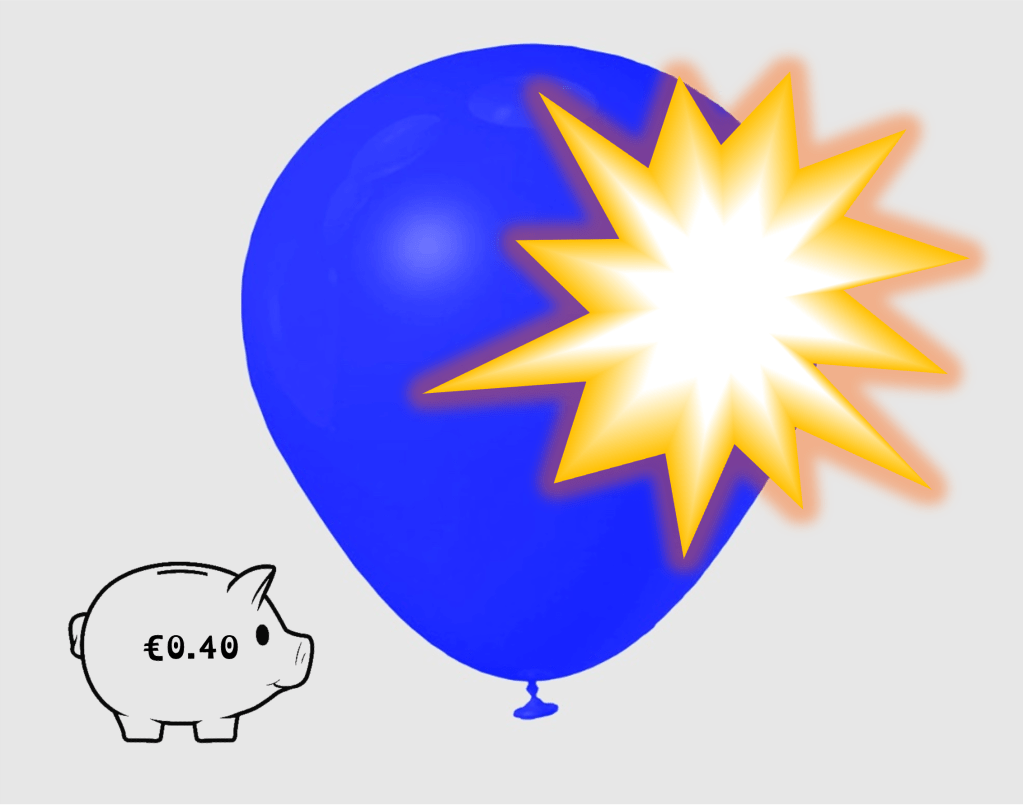
The Balloon Analogue Risk Task (Lejuez et al., 2002) assesses implicit risk-taking. Here we implemented a version including reversal of burst probabilities.
BEAST

The Berlin Estimate AdjuStment Task (Molleman et al., 2019) measures how individuals use social information to adjust their own judgment.
Books Task
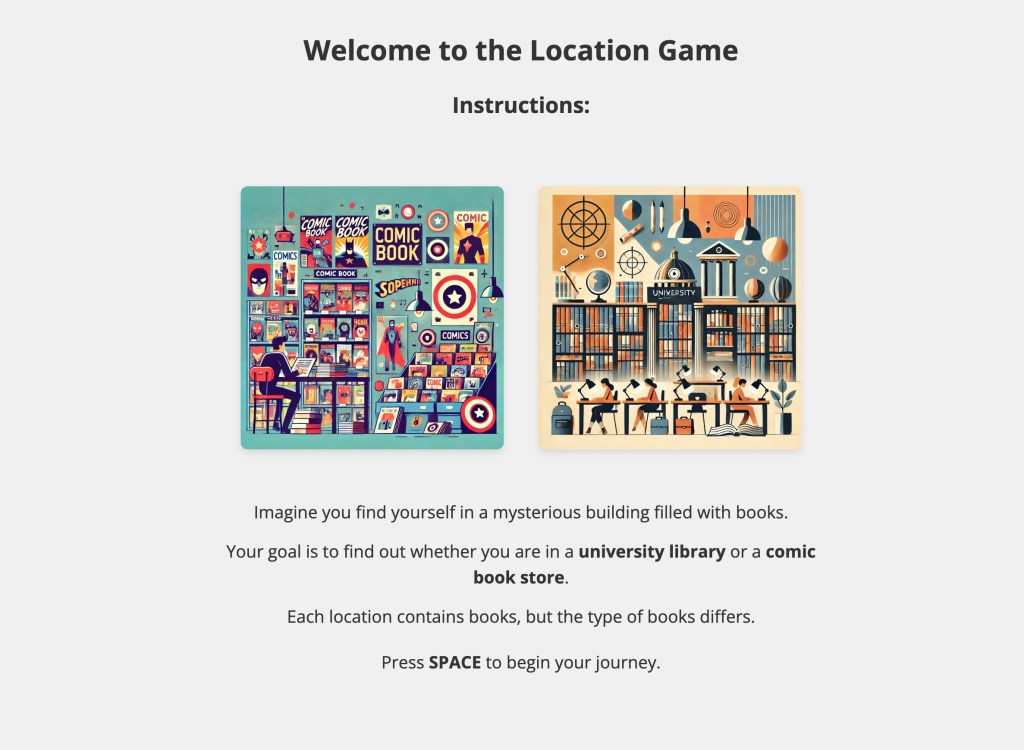
The Books task (or BEADS task (Huq et al., 1988)) evaluates information sampling until a decision is reached. Here we implement different trial structures and contingencies.
 franziskaknolle.com